-

- ກ່ຽວກັບຫນ້ານີ້
- ພາສາ
- ຄວາມຄິດເຫັນຂອງຜູ້ໃຊ້
- ການຂຽນກ່າວອ້າງ
- ອັບໂຫຼດ
- ຊະນິດພັນທີ່ກ່ຽວຂ້ອງ
-



ອັບໂຫລດຂອງທ່ານ ຮູບພາບ ແລະ ວິດີໂອ
ຮູບ | ວິດີໂອ | Google image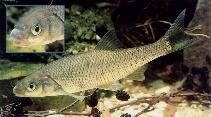 Leuciscus leuciscus
ຮູບພາບໂດຍ Zienert, S.
ຮູບ | ວິດີໂອ | Google image
ຮູບພາບໂດຍ Zienert, S.
ການຈັດປະເພດ / ຊື່ ຊື່ສາມັນ | ຄຳສັບຄ້າຍຄືກັນ | Catalog of Fishes(ຕະກຸນ, ຊະນິດ) | ITIS | CoL | WoRMS | Cloffa
> Cypriniformes (Carps) > Leuciscidae (Minnows) > Leuciscinae
Etymology: Leuciscus: Greek, leykiskos = white mullet (Ref. 45335).
More on author: Linnaeus.
Etymology: Leuciscus: Greek, leykiskos = white mullet (Ref. 45335).
More on author: Linnaeus.
ສະພາບແວດລ້ອມ: ສະພາບແວດລ້ອມ / ເຂດດິນຟ້າອາກາດ / ລະດັບຄວາມເລິກ / ຂອບເຂດການແຈກຢາຍ ນິເວດວິທະຍາ
; ນ້ຳຈືດ; ນ້ຳກ່ອຍ ກ່ຽວກັບ (ຢູ່)ເທິງຊັ້ນພື້ນດິນໃນທະເລເປີດ; pH range: 6.0 - 8.0; ກຸ່ມຫຼືຊະນິດປາທີ່ມີການເຄື່ອນຍ້າຍພາຍໃນນ້ຳຈືດ (Ref. 51243); ລະດັບຄວາມເລິກ 1 - ? m. Temperate; 4°C - 22°C (Ref. 41616); 72°N - 41°N, 10°W - 155°E
ການແຜ່ກະຈາຍ ອານາເຂດ | ເຂດ FAO | ລະບົບນິເວດ | ການປະກົດຕົວ | ຈຸດໃດໜຶ່ງທີ່ສະແດງອອກໃນແຜນທີ່ (ພ້ອມທັງສະແດງຂໍ້ມູນເພີ້ນເຕີມ) | ການແນະນຳ | Faunafri
Europe and Asia: North, Baltic, White and Barents Sea basins; Caspian basin, in Volga and Ural drainages; Black Sea basin, from Danube to Dniepr drainages; Atlantic basin, in Seine drainage; Mediterranean basin from Rhône to Arch drainages (France). Only very localized in Danube main river in Romania, in Scandinavia north of 69°N and most of cenral Finland. Populations from Siberia and East Asia usually referred to Leuciscus leuciscus are distinct species, Leuciscus baicalensis and Leuciscus dzungaricus (Ref. 59043). Has become widespread in Europe and gained access to Ireland as a bait fish. At least one country reports adverse ecological impact after introduction (Ref. 1739).
ຄວາມຍາວໃນການເຕີບໂຕເຕັມຄັ້ງທໍາອິດ / ຂະໜາດ / ນ້ຳໜັກ / ອາຍຸ
ການຈະເລີນເຕັມໄວ: Lm 17.9 range ? - ? cm
Max length : 40.0 cm TL ຕົວຜູ້/ບໍ່ມີເພດ; (Ref. 30578); common length : 15.0 cm TL ຕົວຜູ້/ບໍ່ມີເພດ; (Ref. 556); ນ້ຳໜັກສູງສຸດທີ່ເຄຍຈັດພີມມາ: 1.0 kg (Ref. 30578); ອາຍຸສູງສຸດທີ່ເຄຍລາຍງານມາ: 16 ປີ (Ref. 41616)
Max length : 40.0 cm TL ຕົວຜູ້/ບໍ່ມີເພດ; (Ref. 30578); common length : 15.0 cm TL ຕົວຜູ້/ບໍ່ມີເພດ; (Ref. 556); ນ້ຳໜັກສູງສຸດທີ່ເຄຍຈັດພີມມາ: 1.0 kg (Ref. 30578); ອາຍຸສູງສຸດທີ່ເຄຍລາຍງານມາ: 16 ປີ (Ref. 41616)
ຄຳອະທິບາຍສັ້ນໆ ຕົວທີ່ໃຊ້ໃນການຈຳແນກຊະນິດ | ສະລີລະວິທະຍາ | ການວັດແທກຮູບຮ່າງລັກສະນະພາຍນອກຂອງດິນ,ສັດ,ປາ…
ຄີ (ໜາມ)ແຂງຢູ່ຫຼັງປາ (ທັງໝົດ) : 2 - 3; ຄີຫຼັງຂອງປາ (ຄີອ່ອນ) (ທັງໝົດ) : 7 - 9; ຄີ(ໜາມ) ແຂງຢູ່ຄີກົ້ນປາ
ກຸ່ມປາກະດູກແຂງ
ຄວາມຖີ່ຂອງກຸ່ມຖ່າຍທອດພັນ
ປາທີ່ມີການເຄື່ອນຍ້າຍຈາກທະເລໄປຫານ້ຳຈືດ ແລະນ້ຳຈືດຫາທະເລ
ປາທີ່ມີການເຄື່ອນຍ້າຍຈາກທະເລແລະໄປໄຂ່ຢູ່ນ້ຳຈືດ
ຄີກົ້ນຂອງປາ
ສັດທີ່ມີກະດູກສັນຫັຼງ
ການຖ່າຍທອດທາງກຳມະພັນຈາກພໍ່ແມ່ຫາລູກ: 3; ຄີກົ້ນຂອງປາ: 8 - 9; ສັດທີ່ມີກະດູກສັນຫຼັງ: 42 - 46. Diagnosed from congeners in Europe by the following characters: subinferior or subterminal mouth; subequal jaw, upper jaw slightly longer; upper lip tip about level with center of eye; not projecting snout; articulation of lower jaw distinctly behind anterior margin of eye; horizontal branch of preoperculum shorter than vertical branch; and 40-50 + 1-2 scales on lateral line (Ref. 59043). Rarely longer than 30 cm TL; normally 47-52 scales in lateral line; anal fin concave; caudal fin forked with 19 rays (Ref. 41616).
Body shape (shape guide): fusiform / normal; Cross section: oval.
Body shape (shape guide): fusiform / normal; Cross section: oval.
Gregarious fish which swims near the surface (Ref. 30578). Inhabits moderate to fast-flowing large streams to large rivers with rock or gravel bottom. Adults aggregate in dense swarms in winter in the lower reaches of rivers or backwaters and often migrate to spawning streams in autumn and overwinter there. Juveniles spend winter in cavities along the shores. Early juveniles occur in very shallow shoreline habitats and when they grow, they leave the shores for faster-flowing waters. Feeding larvae thrive along shores. Prey on small invertebrates. Spawns in fast-flowing water on shallow gravel beds, often in small tributaries (Ref. 59043). Breeds in March and April (Ref. 30578). Pale yellow eggs are found attached to gravel and stones in shallow, flowing water (Ref. 41678).
ວົງຈອນຊີວິດ ແລະພຶດຕິກໍາການຫາຄູ່ ການຈະເລີນເຕັມໄວ | ການສືບພັນ | ການວາງໄຂ່ | ໄຂ່ | ຄວາມດົກຂອງໄຂ່ປາ | ຕົວອ່ອນ
Regularly undertake migration of some tens of km to spawning sites, which are often situated in tributaries. Males form large aggregations, each male defending a small territory. Females lay sticky eggs into excavaitons made in gravel (Ref. 59043).
ເອກະສານອ້າງອີງຫຼັກ
ອັບໂຫລດເອກະສານອ້າງອີງຂອງທ່ານ | ເອກະສານອ້າງອີງ | ຜູ້ປະສານງານ | ຜູ້ຮ່ວມມື
Kottelat, M. and J. Freyhof, 2007. Handbook of European freshwater fishes. Publications Kottelat, Cornol and Freyhof, Berlin. 646 pp. (Ref. 59043)
ສະຖານະພາບບັນຊີແດງຂອງ IUCN (Ref. 130435: Version 2025-2)
Least Concern (LC) ; Date assessed: 17 October 2023
CITES
Not Evaluated
ໄພຂົ່ມຂູ່ຕໍ່ມະນຸດ
Potential pest (Ref. 13686)
ການນໍາໃຊ້ຂອງມະນຸດ
ການປະມົງ: ທີ່ບໍ່ມີຄວາມສົນໃຈ; ຊະນິດປາທີ່ຖືກນຳໃຊ້ເຂົ້າໃນການຫາເພື່ອເປັນເກມກິລາ: ແມ່ນ; ເຍື່ອ: usually
FAO - ການປະມົງ: ການລົງຈອດ; Publication: search | FishSource |
ຂໍ້ມູນຕື່ມອີກ
ນະໂຍບາຍດ້ານປະຊາກອນ
ຕົວວັດແທກການເຕີບໃຫຍ່
ສູງສຸດ. ອາຍຸ / ຂະຫນາດ
ຄວາມຍາວ-ນ້ໍາຫນັກ rel.
ຄວາມຍາວ - ຄວາມຍາວ rel.
ຄວາມຖີ່ຄວາມຍາວ
ການແປງມະຫາຊົນ
ການທົດແທນທີ່
ຄວາມອຸດົມສົມບູນ
ຕົວວັດແທກການເຕີບໃຫຍ່
ສູງສຸດ. ອາຍຸ / ຂະຫນາດ
ຄວາມຍາວ-ນ້ໍາຫນັກ rel.
ຄວາມຍາວ - ຄວາມຍາວ rel.
ຄວາມຖີ່ຄວາມຍາວ
ການແປງມະຫາຊົນ
ການທົດແທນທີ່
ຄວາມອຸດົມສົມບູນ
ວົງຈອນຊີວິດ
ການສືບພັນ
ການຈະເລີນເຕັມໄວ
ການເຕີບໃຫຍ່ / Gills rel.
ຄວາມດົກຂອງໄຂ່ປາ
ການວາງໄຂ່
ການລວບລວມການວາງໄຂ່
ໄຂ່
ການພັດທະນາໄຂ່
ຕົວອ່ອນ
ການປ່ຽນແປງຂອງຕົວອ່ອນ
ການສືບພັນ
ການຈະເລີນເຕັມໄວ
ການເຕີບໃຫຍ່ / Gills rel.
ຄວາມດົກຂອງໄຂ່ປາ
ການວາງໄຂ່
ການລວບລວມການວາງໄຂ່
ໄຂ່
ການພັດທະນາໄຂ່
ຕົວອ່ອນ
ການປ່ຽນແປງຂອງຕົວອ່ອນ
ຮ່າງກາຍ
ເນື້ອທີ່ເຫືອກ
ສະໝອງ
ໂອໂຕລິດ
ເນື້ອທີ່ເຫືອກ
ສະໝອງ
ໂອໂຕລິດ
ຟີຊິກສາດ
ອົງປະກອບຂອງຮ່າງກາຍ
ທາດອາຫານ
ການບໍລິໂພກອົກຊີເຈນ
ປະເພດລອຍ
ຄວາມໄວໃນການລອຍ
ເມັດສີທີ່ເບິ່ງເຫັນ
ສຽງປາ
ພະຍາດ & ກາຝາກ
ຄວາມເປັນພິດ (LC50s)
ອົງປະກອບຂອງຮ່າງກາຍ
ທາດອາຫານ
ການບໍລິໂພກອົກຊີເຈນ
ປະເພດລອຍ
ຄວາມໄວໃນການລອຍ
ເມັດສີທີ່ເບິ່ງເຫັນ
ສຽງປາ
ພະຍາດ & ກາຝາກ
ຄວາມເປັນພິດ (LC50s)
ມະນຸດທີ່ກ່ຽວຂ້ອງ
ລະບົບການລ້ຽງປາ
ຂໍ້ມູນການລ້ຽງສັດນ້ຳ
ສາຍພັນ
ກໍລະນີ Ciguatera
ສະແຕມ, ຫຼຽນ, ອື່ນໆ.
ລະບົບການລ້ຽງປາ
ຂໍ້ມູນການລ້ຽງສັດນ້ຳ
ສາຍພັນ
ກໍລະນີ Ciguatera
ສະແຕມ, ຫຼຽນ, ອື່ນໆ.
ເຄື່ອງມື
Bio Quiz | E-book | ຄູ່ມືພາກສະໜາມ | ຕົວທີ່ໃຊ້ໃນການຈຳແນກຊະນິດ | ຄວາມຖີ່ຂອງຄວາມຍາວປາ | ເຄື່ອງມືຂອງຊີວະປະຫວັດທາງດ້ານຊີວິດ | ຈຸດໃດໜຶ່ງທີ່ສະແດງອອກໃນແຜນທີ່ (ພ້ອມທັງສະແດງຂໍ້ມູນເພີ້ນເຕີມ) |
ຈັບ-MSY |
ບົດລາຍງານພິເສດ
ກວດສອບການບໍາລຸງຮັກສາຕູ້ປາ | ກວດເບິ່ງເອກະສານຄວາມຈິງຂອງຊະນິດ | ກວດເບິ່ງເອກະສານຄວາມເປັນຈິງການລ້ຽງສັດນ້ຳ
ດາວໂຫລດ XML
ແຫຼ່ງອີນເຕີເນັດ
AFORO (otoliths) | Alien/Invasive Species database | Aquatic Commons | BHL | Cloffa | Websites from users | Check FishWatcher | CISTI | Catalog of Fishes: ຕະກຸນ, ຊະນິດ | DiscoverLife | DORIS | ECOTOX | FAO - ການປະມົງ: ການລົງຈອດ; Publication: search | Faunafri | Fishipedia | Fishtrace | GloBI | Google Books | Google Scholar | Google | IGFA World Record | ຖານຂໍ້ມູນແຫ່ງຊາດ | OneZoom | Open Tree of Life | Otolith Atlas of Taiwan Fishes | ບ່ອນວາງສະແດງສັນນ້ຳຂອງລັດ | PubMed | Reef Life Survey | Socotra Atlas | TreeBase | ແຜນທີ່ສະແດງກິ່ງງ່າຂອງເຊື້ອຕະກຸນປາ, ສັດ ຈາກບັນພະບູລຸດຈົນເຖິງຫລານ | Wikipedia: Go, ຊອກຫາ | World Records Freshwater Fishing | ການບັນທຶກດ້ານສັດວິທະຍາ
ການຄາດຄະເນໂດຍອີງໃສ່ແບບຈໍາລອງ
ດັດຊະນີຄວາມຫຼາກຫຼາຍທາງຊີວະພາບ (ເອກະສານອ້າງອີງ 82804): PD50 = 0.5000 [Uniqueness, from 0.5 = low to 2.0 = high].
Bayesian length-weight: a=0.00631 (0.00545 - 0.00731), b=3.16 (3.13 - 3.19), in cm total length, based on LWR estimates for this species (Ref. 93245).
ຊັ້ນເຂດຮ້ອນ (ເອກະສານອ້າງອີງ 69278): 2.9 ±0.1 se; based on diet studies.
ຄວາມຢືດຢຸ່ນ (ເອກະສານອ້າງອີງ 120179): ຂະໜາດກາງ, ປະຊາກອນຕຳ່ສຸດທີ່ໃຊ້ເວລາສອງເທົ່າ 1.4 - 4.4 ປີ (K=0.18-0.25; tm=3-4; tmax=10).
ທາດອາຫານ (Ref. 124155): Calcium = 113 [51, 231] mg/100g; Iron = 0.783 [0.453, 1.420] mg/100g; Protein = 19.1 [17.5, 20.8] %; Omega3 = 0.601 [0.267, 1.255] g/100g; Selenium = 8.31 [4.09, 16.84] μg/100g; VitaminA = 25.7 [8.6, 75.4] μg/100g; Zinc = 1.02 [0.69, 1.49] mg/100g (wet weight);