-

- เกี่ยวกับหน้านี้
- ภาษา
- ความคิดเห็นจากผู้ใช้
- การอ้างอิง
- อัพโหลด
- สายพันธุ์ที่เกี่ยวข้อง
-



Sander lucioperca (Linnaeus, 1758)
Pike-perch
อัพโหลดของคุณ ภาพถ่าย และ วิดีโอ
รูปภาพหลายรูป | วิดีโอ | เสียง | แสตมป์ เหรียญ อื่นๆ | Google image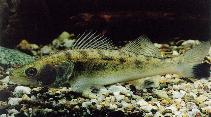 Sander lucioperca
ภาพโดย Zienert, S.
รูปภาพหลายรูป | วิดีโอ | เสียง | แสตมป์ เหรียญ อื่นๆ | Google image
ภาพโดย Zienert, S.
การจำแนกประเภท / ชื่อ ชื่อสามัญ | ชื่อพ้อง | Catalog of Fishes(สกุล, ชนิด) | ITIS | CoL | WoRMS | Cloffa
สิ่งแวดล้อม : สิ่งแวดล้อม / เขตภูมิอากาศ / ระดับความลึก / ระยะการกระจายสินค้า นิเวศวิทยา
; น้ำจืด; กร่อย ผิวน้ำ; สัตว์น้ำจืดที่มีการอพยพอย่างแท้จริงภายในแหล่งน้ำจืดเท่านั้น (Ref. 51243); ระดับความลึก 2 - 30 m (Ref. 30578), usually 2 - 3 m (Ref. 27368). Temperate; 6°C - 22°C (Ref. 2059); 67°N - 36°N, 1°W - 75°E
การแพร่กระจาย อาณาเขต | พื้นที่จำแนกตาม FAO | ระบบนิเวศหลายระบบ | การปรากฏขึ้น,การเกิดขึ้น,พบ | ตำแหน่งบนแผนที่ | การแนะนำ | Faunafri
Europe and Asia: Caspian, Baltic, Black and Aral Sea basins; Elbe (North Sea basin) and Maritza (Aegean basin) drainages. North to about 65° N in Finland. Introduced widely (Ref. 59043). Several countries report adverse ecological impact after introduction (Ref. 1739).
ความยาวเมื่อครบกำหนดครั้งแรก / ขนาด / น้ำหนัก / อายุ
วัยเจริญพันธุ์: Lm 37.2, range 28 - 46 cm
Max length : 100.0 cm SL เพศผู้/กระเทย; (Ref. 59043); common length : 50.0 cm TL เพศผู้/กระเทย; (Ref. 556); น้ำหนักสูงสุดที่มีการรายงาน: 20.0 kg (Ref. 40476); อายุสูงสุดที่ได้รายงาน: 17 ปี (Ref. 59043)
Max length : 100.0 cm SL เพศผู้/กระเทย; (Ref. 59043); common length : 50.0 cm TL เพศผู้/กระเทย; (Ref. 556); น้ำหนักสูงสุดที่มีการรายงาน: 20.0 kg (Ref. 40476); อายุสูงสุดที่ได้รายงาน: 17 ปี (Ref. 59043)
คำอธิบายสั้นๆ เครื่องมือที่ใช้ในการแยกชนิดสัตว์,สิ่งมีชีวิตออกจากกัน | สัณฐานวิทยา | ความยาวต่างๆ
เงี่ยงครีบหลัง (รวม) : 13 - 20; ก้านครีบอ่อนที่หาง (รวม) : 18 - 24; เงี่ยงครีบก้น: 2 - 3; ก้านครีบอ่อนที่ก้น: 10 - 14; สัตว์มีกระดูกสันหลัง: 45 - 47. Distinguished from congeners in Europe by the following combination of characters: 1-2 enlarged canine teeth in anterior part of each jaw; second dorsal fin with 18-22½ branched rays; and 80-97 scales on lateral line (Ref. 59043).
Body shape (shape guide): fusiform / normal.
Body shape (shape guide): fusiform / normal.
Adults inhabit large, turbid rivers and eutrophic lakes, brackish coastal lakes and estuaries. Feed mainly on gregarious, pelagic fishes. They attain first sexual maturity at 3-10 years of age, usually at 4. Undertake short spawning migrations. Individuals foraging in brackish water move to freshwater habitats. Migrations up to 250 km have been recorded. Homing is well developed, even nearby populations may be relatively isolated. Spawn in pairs at dawn or night. Spawning occurs in April-May, exceptional from late February until July, depending on latitude and altitude when temperatures reach 10-14° C on spawning grounds (Ref. 59043). Popularly fished by sport fishers. Its flesh is succulent (Ref. 30578). Utilized fresh or frozen and eaten steamed, broiled and microwaved (Ref. 9988). An individual weighing 19 kg was reportedly caught in 1959 in Starnberger, Bavaria, Germany (Peter Admicka, pers. Comm. E-mail: peter.adamicka@oeaw.ac.at).
วงจรชีวิตและพฤติกรรมการผสมพันธุ์ วัยเจริญพันธุ์ | การสืบพันธุ์ | การวางไข่ | เซลสืบพันธ์ของเพศเมีย(ไข่) | ความดกของไข่ | ตัวอ่อน
The spawning places are over gravel in moving water (Ref. 205). "Males are territorial and excavate shallow depressions about 50 cm in diameter and 5-10 cm deep in sand or gravel, or among exposed plant roots on which eggs are deposited, usually in turbid water and at 1-3 m depth. Spawn in pairs, at dawn or night. The female remains over the nest while the male circles rapidly around, at about 1 meter from the nest. Then male takes a vertical orientation and both swim around swiftly, and eggs and sperm are released, The female leaves the nest after all eggs are released. The male defends the nest and fans the eggs with his pectorals. Females spawn once a year, laying all the eggs at one time (Ref. 88075). Feeding larvae are positively phototactic and feed on pelagic organisms after they leave the nest for open water" (Ref. 59043).
อ้างอิงหลัก
อัพโหลดข้อมูลอ้างอิงของคุณ | อ้างอิง | ผู้ประสานงาน | ผู้ร่วมมือ
Kottelat, M. and J. Freyhof, 2007. Handbook of European freshwater fishes. Publications Kottelat, Cornol and Freyhof, Berlin. 646 pp. (Ref. 59043)
CITES
Not Evaluated
ภัยคุกคามต่อมนุษย์
Potential pest (Ref. 57271)
การใช้ของมนุษย์
การประมง: การค้า; การเพาะเลี้ยงสัตว์น้ำ: การค้า; การตกปลาเป็นกีฬา: ใช่; สถานที่แสดงสัตว์และพืชน้ำ: สถานแสดงสัตว์น้ำของรัฐ
FAO - ระบบการเพาะเลี้ยงสัตว์น้ำ: การผลิต, โปรไฟล์สายพันธุ์; การประมง: การลงจอด, โปรไฟล์สายพันธุ์; Publication: search | FishSource | ทะเลรอบๆเรา
ข้อมูลเพิ่มเติม
พลวัตของประชากร
พารามิเตอร์การเจริญเติบโต
อายุสูงสุด / ขนาด
ความยาว-น้ำหนักสัมพันธ์
ความยาว-ความยาวสัมพันธ์
ความยาว-ความถี่
การแปลงมวล
การทดแทนที่
อุดมสมบรูณ์
พารามิเตอร์การเจริญเติบโต
อายุสูงสุด / ขนาด
ความยาว-น้ำหนักสัมพันธ์
ความยาว-ความยาวสัมพันธ์
ความยาว-ความถี่
การแปลงมวล
การทดแทนที่
อุดมสมบรูณ์
วงจรชีวิต
การสืบพันธุ์
วัยเจริญพันธุ์
ความสมบูรณ์พันธุ์/เหงือกที่เกี่ยวข้อง
ความดกของไข่
การวางไข่
การรวมตัวของสปอน
เซลสืบพันธ์ของเพศเมีย(ไข่)
การพัฒนาไข่
ตัวอ่อน
พลวัตของสัตว์น้ำวัยอ่อน
การสืบพันธุ์
วัยเจริญพันธุ์
ความสมบูรณ์พันธุ์/เหงือกที่เกี่ยวข้อง
ความดกของไข่
การวางไข่
การรวมตัวของสปอน
เซลสืบพันธ์ของเพศเมีย(ไข่)
การพัฒนาไข่
ตัวอ่อน
พลวัตของสัตว์น้ำวัยอ่อน
การแพร่กระจาย
อาณาเขต
พื้นที่จำแนกตาม FAO
ระบบนิเวศหลายระบบ
การปรากฏขึ้น,การเกิดขึ้น,พบ
การแนะนำ
BRUVS - วิดีโอ
อาณาเขต
พื้นที่จำแนกตาม FAO
ระบบนิเวศหลายระบบ
การปรากฏขึ้น,การเกิดขึ้น,พบ
การแนะนำ
BRUVS - วิดีโอ
สรีรวิทยา
องค์ประกอบของร่างกาย
สารอาหาร
การใช้ออกซิเจน
ประเภทการว่ายน้ำ
ระดับความเร็วในการว่ายน้ำ
เม็ดสีที่มองเห็นได้
เสียงปลา
โรคและปรสิต
ความเป็นพิษ (LC50s)
องค์ประกอบของร่างกาย
สารอาหาร
การใช้ออกซิเจน
ประเภทการว่ายน้ำ
ระดับความเร็วในการว่ายน้ำ
เม็ดสีที่มองเห็นได้
เสียงปลา
โรคและปรสิต
ความเป็นพิษ (LC50s)
เกี่ยวข้องกับมนุษย์
ระบบการเพาะเลี้ยงสัตว์น้ำ
ประวัติการเพาะเลี้ยงสัตว์น้ำ
สายพันธุ์
กรณีซิเกวเทอรา
แสตมป์ เหรียญ อื่นๆ
ระบบการเพาะเลี้ยงสัตว์น้ำ
ประวัติการเพาะเลี้ยงสัตว์น้ำ
สายพันธุ์
กรณีซิเกวเทอรา
แสตมป์ เหรียญ อื่นๆ
เครื่องมือ
แบบทดสอบชีววิทยา | หนังสืออิเล็กทรอนิกส์ | คู่มือภาคสนาม | เครื่องมือที่ใช้ในการแยกชนิดสัตว์,สิ่งมีชีวิตออกจากกัน | ผู้มีความชำนาญในเรื่องความถี่ของความยาว | เครื่องมือในการศึกษาชีวประวัติ | ตำแหน่งบนแผนที่ |
จับ-MSY |
รายงานพิเศษ
ตรวจสอบการบำรุงรักษาตู้ปลา | ตรวจสอบเอกสารข้อเท็จจริงเกี่ยวกับสายพันธุ์ | ตรวจสอบเอกสารข้อเท็จจริงเกี่ยวกับการเพาะเลี้ยงสัตว์น้ำ
ดาวน์โหลด XML
หน้าสรุป | ข้อมูลสำคัญ | ชื่อสามัญ | ภาพถ่าย
แหล่งที่มาจากอินเตอร์เน็ต
AFORO (otoliths) | Alien/Invasive Species database | Aquatic Commons | BHL | Cloffa | Websites from users | Check FishWatcher | CISTI | Catalog of Fishes: สกุล, ชนิด | DiscoverLife | DORIS | ECOTOX | FAO - ระบบการเพาะเลี้ยงสัตว์น้ำ: การผลิต, โปรไฟล์สายพันธุ์; การประมง: การลงจอด, โปรไฟล์สายพันธุ์; Publication: search | Faunafri | Fishipedia | Fishtrace | GloBI | Google Books | Google Scholar | Google | IGFA World Record | ฐานข้อมูลแห่งชาติ | OneZoom | Open Tree of Life | Otolith Atlas of Taiwan Fishes | สถานแสดงสัตว์น้ำของรัฐ | PubMed | Reef Life Survey | Socotra Atlas | TreeBase | แผนภูมิชีวิตแบบต้นไม้ | Wikipedia: Go, ค้นหา | World Records Freshwater Fishing | บันทึกทางด้านสัตววิทยา
การประมาณค่าตามแบบจำลอง
ดัชนีความหลากหลายทางวิวัฒนาการ (อ้างอิง 82804): PD50 = 0.5312 [Uniqueness, from 0.5 = low to 2.0 = high].
Bayesian length-weight: a=0.00589 (0.00495 - 0.00700), b=3.12 (3.07 - 3.17), in cm total length, based on LWR estimates for this species (Ref. 93245).
ระดับชั้นอาหาร (อ้างอิง 69278): 4.0 ±0.78 se; based on food items.
Generation time: 8.2 (5.8 - 12.2) years. Estimated as median ln(3)/K based on 19 growth studies.
ความสามารถในการกลับคืนสู่ปกติ (อ้างอิง 120179): ต่ำ, เวลาต่ำสุดที่จะทำให้ประชากรเพิ่มขึ้นเป็น 2 เท่าใช้เวลา 4.5 - 14 ปี (K=0.10-0.24; tmax=16; Fecundity=10,000).
สารอาหาร (Ref. 124155): Calcium = 50.9 [29.3, 80.5] mg/100g; Iron = 0.262 [0.132, 0.524] mg/100g; Protein = 18.8 [17.9, 19.6] %; Omega3 = 0.496 [0.193, 0.969] g/100g; Selenium = 2.25 [0.74, 7.60] μg/100g; VitaminA = 17 [6, 52] μg/100g; Zinc = 0.729 [0.551, 0.986] mg/100g (wet weight); based on nutrient studies.