-

- ກ່ຽວກັບຫນ້ານີ້
- ພາສາ
- ຄວາມຄິດເຫັນຂອງຜູ້ໃຊ້
- ການຂຽນກ່າວອ້າງ
- ອັບໂຫຼດ
- ຊະນິດພັນທີ່ກ່ຽວຂ້ອງ
-



Trichopodus poptae Low, Tan & Britz, 2014
ອັບໂຫລດຂອງທ່ານ ຮູບພາບ ແລະ ວິດີໂອ
Google image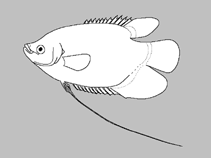 No image available for this species;
drawing shows typical species in Osphronemidae.
Google image
drawing shows typical species in Osphronemidae.
ການຈັດປະເພດ / ຊື່ ຊື່ສາມັນ | ຄຳສັບຄ້າຍຄືກັນ | Catalog of Fishes(ຕະກຸນ, ຊະນິດ) | ITIS | CoL | WoRMS | Cloffa
> Anabantiformes (Gouramies, snakeheads) > Osphronemidae (Gouramies) > Trichogastrinae
Etymology: poptae: Named after Canna Maria Louise Popta, curator of fishes for the Rijks-museum van Natuurlijke Historie from 1891 to 1928, in recognition of her pioneer taxonomic work on the freshwater fish fauna of Borneo, based on the trans-Borneo expeditions conducted between 1893 and 1990.
Eponymy: Dr Canna Maria Louise Popta (1860–1929) was one of the first Dutch women to take up ichthyology and one of the first women to study at Leiden, which awarded her degree in Geology, Zoology and Botany. [...] (Ref. 128868), visit book page.
Etymology: poptae: Named after Canna Maria Louise Popta, curator of fishes for the Rijks-museum van Natuurlijke Historie from 1891 to 1928, in recognition of her pioneer taxonomic work on the freshwater fish fauna of Borneo, based on the trans-Borneo expeditions conducted between 1893 and 1990.
Eponymy: Dr Canna Maria Louise Popta (1860–1929) was one of the first Dutch women to take up ichthyology and one of the first women to study at Leiden, which awarded her degree in Geology, Zoology and Botany. [...] (Ref. 128868), visit book page.
ສະພາບແວດລ້ອມ: ສະພາບແວດລ້ອມ / ເຂດດິນຟ້າອາກາດ / ລະດັບຄວາມເລິກ / ຂອບເຂດການແຈກຢາຍ ນິເວດວິທະຍາ
; ນ້ຳຈືດ ກ່ຽວກັບ (ຢູ່)ເທິງຊັ້ນພື້ນດິນໃນທະເລເປີດ. Tropical
ການແຜ່ກະຈາຍ ອານາເຂດ | ເຂດ FAO | ລະບົບນິເວດ | ການປະກົດຕົວ | ຈຸດໃດໜຶ່ງທີ່ສະແດງອອກໃນແຜນທີ່ (ພ້ອມທັງສະແດງຂໍ້ມູນເພີ້ນເຕີມ) | ການແນະນຳ | Faunafri
Asia: middle Barito River drainage in Borneo, Indonesia.
ຂະໜາດ / ນ້ຳໜັກ / ອາຍຸ
ຄຳອະທິບາຍສັ້ນໆ ຕົວທີ່ໃຊ້ໃນການຈຳແນກຊະນິດ | ສະລີລະວິທະຍາ | ການວັດແທກຮູບຮ່າງລັກສະນະພາຍນອກຂອງດິນ,ສັດ,ປາ…
ຄີ (ໜາມ)ແຂງຢູ່ຫຼັງປາ (ທັງໝົດ) : 6 - 7; ຄີຫຼັງຂອງປາ (ຄີອ່ອນ) (ທັງໝົດ) : 8 - 9; ຄີ(ໜາມ) ແຂງຢູ່ຄີກົ້ນປາ
ກຸ່ມປາກະດູກແຂງ
ຄວາມຖີ່ຂອງກຸ່ມຖ່າຍທອດພັນ
ປາທີ່ມີການເຄື່ອນຍ້າຍຈາກທະເລໄປຫານ້ຳຈືດ ແລະນ້ຳຈືດຫາທະເລ
ປາທີ່ມີການເຄື່ອນຍ້າຍຈາກທະເລແລະໄປໄຂ່ຢູ່ນ້ຳຈືດ
ຄີກົ້ນຂອງປາ
ສັດທີ່ມີກະດູກສັນຫັຼງ
ການຖ່າຍທອດທາງກຳມະພັນຈາກພໍ່ແມ່ຫາລູກ: 13 - 15; ຄີກົ້ນຂອງປາ: 25 - 27; ສັດທີ່ມີກະດູກສັນຫຼັງ: 30 - 31. Trichopodus poptae is diagnosed from all congeners by the following characters: a black blotch on caudal peduncle with no other distinct markings on the body (vs. two black blotches, one in the middle of the body and the other on the caudal peduncle in T. trichopterus; a black stripe extending from the mouth to the caudal peduncle in T. pectoralis and T. leerii; absence of distinct body marking in T. microlepis); 34-38 lateral scales (vs. 49-63 in T. pectoralis, 40-52 in T. trichopterus; 43-50 in T. leerii; and 57-65 in T. microlepis). It further differs from other species of Trichopodus by the possession of following characters: 6-7 spines on dorsal fin (vs. 3-4 in T. microlepis); 14-16 rays on dorsal fin (vs. 17-18 in T. pectoralis); 38-41 anal-fin rays (vs. 44-50 in T. pectoralis, 44-49 in T. microlepis, and 41-46 in T. trichopterus); 30-34 predorsal scales (vs. 37-44 in T. pectoralis, 36-41 in T. leerii, and 45-52 in T. microlepis); fewer transverse scales at dorsal fin origin (8-9, 1, 8-10 vs. 11-13, 1, 15-17 in T. pectoralis and 14-17, 1, 19-22 in T. microlepis); fewer longitudinal scale rows on caudal peduncle (5-6, 1, 4-5 vs. 7-9, 1, 6-9 in T. pectoralis and 8-9, 1, 6-8 in T. microlepis); greater caudal peduncle depth (16.0-17.2 vs. 13.3-15.8% SL in T. pectoralis, 14.2-15.7% SL in T. leerii, and 12.2-14.8% SL in T. microlepis); greater body depth at anus (43.4-47.4 vs. 36.3-42.1% SL in T. pectoralis and 39.5-42.8% SL in T. leerii); smaller postdorsal length (21.9-24.5 vs. 25.1-27.9% SL in T. leerii and 25.8-32.9% SL in T. microlepis); greater orbital diameter (28.8-33.8 vs. 18.7-27.1% HL in T. pectoralis and 23.2-27.0% HL in T. microlepis); and 4 pterygiophores between first and second haemal spine (vs. 5 in T. trichopterus, T. pectoralis and T. microlepis) (Ref. 97359).
Description; Pelvic fin with first ray filamentous and elongated; lateral line complete or interrupted, with 34-38 scales in a longitudinal series above the lateral line (Ref. 97359).
Body shape (shape guide): short and / or deep.
Body shape (shape guide): short and / or deep.
Obligate air-breathing (Ref. 126274); Mostly collected from streams and ponds in the near vicinity of Desa Kerendan, a small village in the upper Sungai Lahei watershed within the Barito River drainage. A few specimens were caught from small streams with gravel bottoms, which villagers claimed flowed from relatively undisturbed watersheds (Ref. 97359).
ວົງຈອນຊີວິດ ແລະພຶດຕິກໍາການຫາຄູ່ ການຈະເລີນເຕັມໄວ | ການສືບພັນ | ການວາງໄຂ່ | ໄຂ່ | ຄວາມດົກຂອງໄຂ່ປາ | ຕົວອ່ອນ
ເອກະສານອ້າງອີງຫຼັກ
ອັບໂຫລດເອກະສານອ້າງອີງຂອງທ່ານ | ເອກະສານອ້າງອີງ | ຜູ້ປະສານງານ | ຜູ້ຮ່ວມມື
Low, B.W., H.H. Tan and R. Britz, 2014. Trichopodus poptae, a new anabantoid fish from Borneo (Teleostei: Ospronemidae). Ichthyol. Explor. Freshwat. 25(1):69-77. (Ref. 97359)
ສະຖານະພາບບັນຊີແດງຂອງ IUCN (Ref. 130435: Version 2025-2)
Data deficient (DD) ; Date assessed: 26 December 2018
CITES
Not Evaluated
ໄພຂົ່ມຂູ່ຕໍ່ມະນຸດ
Harmless
ການນໍາໃຊ້ຂອງມະນຸດ
FAO - Publication: search | FishSource |
ຂໍ້ມູນຕື່ມອີກ
ນິເວດວິທະຍາເຂດຮ້ອນ
ລາຍການອາຫານ (ຜູ້ຖືກລ້າ)
ອົງປະກອບຂອງອາຫານ
ການບໍລິໂພກອາຫານ
ຄາບອາຫານ
ຜູ້ລ້າ
ລາຍການອາຫານ (ຜູ້ຖືກລ້າ)
ອົງປະກອບຂອງອາຫານ
ການບໍລິໂພກອາຫານ
ຄາບອາຫານ
ຜູ້ລ້າ
ນະໂຍບາຍດ້ານປະຊາກອນ
ຕົວວັດແທກການເຕີບໃຫຍ່
ສູງສຸດ. ອາຍຸ / ຂະຫນາດ
ຄວາມຍາວ-ນ້ໍາຫນັກ rel.
ຄວາມຍາວ - ຄວາມຍາວ rel.
ຄວາມຖີ່ຄວາມຍາວ
ການແປງມະຫາຊົນ
ການທົດແທນທີ່
ຄວາມອຸດົມສົມບູນ
ຕົວວັດແທກການເຕີບໃຫຍ່
ສູງສຸດ. ອາຍຸ / ຂະຫນາດ
ຄວາມຍາວ-ນ້ໍາຫນັກ rel.
ຄວາມຍາວ - ຄວາມຍາວ rel.
ຄວາມຖີ່ຄວາມຍາວ
ການແປງມະຫາຊົນ
ການທົດແທນທີ່
ຄວາມອຸດົມສົມບູນ
ວົງຈອນຊີວິດ
ການສືບພັນ
ການຈະເລີນເຕັມໄວ
ການເຕີບໃຫຍ່ / Gills rel.
ຄວາມດົກຂອງໄຂ່ປາ
ການວາງໄຂ່
ການລວບລວມການວາງໄຂ່
ໄຂ່
ການພັດທະນາໄຂ່
ຕົວອ່ອນ
ການປ່ຽນແປງຂອງຕົວອ່ອນ
ການສືບພັນ
ການຈະເລີນເຕັມໄວ
ການເຕີບໃຫຍ່ / Gills rel.
ຄວາມດົກຂອງໄຂ່ປາ
ການວາງໄຂ່
ການລວບລວມການວາງໄຂ່
ໄຂ່
ການພັດທະນາໄຂ່
ຕົວອ່ອນ
ການປ່ຽນແປງຂອງຕົວອ່ອນ
ຮ່າງກາຍ
ເນື້ອທີ່ເຫືອກ
ສະໝອງ
ໂອໂຕລິດ
ເນື້ອທີ່ເຫືອກ
ສະໝອງ
ໂອໂຕລິດ
ຟີຊິກສາດ
ອົງປະກອບຂອງຮ່າງກາຍ
ທາດອາຫານ
ການບໍລິໂພກອົກຊີເຈນ
ປະເພດລອຍ
ຄວາມໄວໃນການລອຍ
ເມັດສີທີ່ເບິ່ງເຫັນ
ສຽງປາ
ພະຍາດ & ກາຝາກ
ຄວາມເປັນພິດ (LC50s)
ອົງປະກອບຂອງຮ່າງກາຍ
ທາດອາຫານ
ການບໍລິໂພກອົກຊີເຈນ
ປະເພດລອຍ
ຄວາມໄວໃນການລອຍ
ເມັດສີທີ່ເບິ່ງເຫັນ
ສຽງປາ
ພະຍາດ & ກາຝາກ
ຄວາມເປັນພິດ (LC50s)
ກຳມະພັນ
ພັນທຸ ກຳ
ກຳມະພັນ
Heterozygosity
ການຖ່າຍທອດທາງກຳມະພັນຈາກພໍ່ແມ່ຫາລູກ
ຄວາມຫຼາກຫຼາຍທາງພັນທຸກໍາ
ພັນທຸ ກຳ
ກຳມະພັນ
Heterozygosity
ການຖ່າຍທອດທາງກຳມະພັນຈາກພໍ່ແມ່ຫາລູກ
ຄວາມຫຼາກຫຼາຍທາງພັນທຸກໍາ
ມະນຸດທີ່ກ່ຽວຂ້ອງ
ລະບົບການລ້ຽງປາ
ຂໍ້ມູນການລ້ຽງສັດນ້ຳ
ສາຍພັນ
ກໍລະນີ Ciguatera
ສະແຕມ, ຫຼຽນ, ອື່ນໆ.
ລະບົບການລ້ຽງປາ
ຂໍ້ມູນການລ້ຽງສັດນ້ຳ
ສາຍພັນ
ກໍລະນີ Ciguatera
ສະແຕມ, ຫຼຽນ, ອື່ນໆ.
ເຄື່ອງມື
E-book | ຄູ່ມືພາກສະໜາມ | ຄວາມຖີ່ຂອງຄວາມຍາວປາ | ເຄື່ອງມືຂອງຊີວະປະຫວັດທາງດ້ານຊີວິດ | ຈຸດໃດໜຶ່ງທີ່ສະແດງອອກໃນແຜນທີ່ (ພ້ອມທັງສະແດງຂໍ້ມູນເພີ້ນເຕີມ) |
ຈັບ-MSY |
ບົດລາຍງານພິເສດ
ກວດສອບການບໍາລຸງຮັກສາຕູ້ປາ | ກວດເບິ່ງເອກະສານຄວາມຈິງຂອງຊະນິດ | ກວດເບິ່ງເອກະສານຄວາມເປັນຈິງການລ້ຽງສັດນ້ຳ
ດາວໂຫລດ XML
ແຫຼ່ງອີນເຕີເນັດ
AFORO (otoliths) | Aquatic Commons | BHL | Cloffa | Websites from users | Check FishWatcher | CISTI | Catalog of Fishes: ຕະກຸນ, ຊະນິດ | DiscoverLife | ECOTOX | FAO - Publication: search | Faunafri | Fishipedia | Fishtrace | GloBI | Google Books | Google Scholar | Google | IGFA World Record | OneZoom | Open Tree of Life | Otolith Atlas of Taiwan Fishes | PubMed | Reef Life Survey | Socotra Atlas | TreeBase | ແຜນທີ່ສະແດງກິ່ງງ່າຂອງເຊື້ອຕະກຸນປາ, ສັດ ຈາກບັນພະບູລຸດຈົນເຖິງຫລານ | Wikipedia: Go, ຊອກຫາ | World Records Freshwater Fishing | Zoobank | ການບັນທຶກດ້ານສັດວິທະຍາ
ການຄາດຄະເນໂດຍອີງໃສ່ແບບຈໍາລອງ
ດັດຊະນີຄວາມຫຼາກຫຼາຍທາງຊີວະພາບ (ເອກະສານອ້າງອີງ 82804): PD50 = 0.5156 [Uniqueness, from 0.5 = low to 2.0 = high].
Bayesian length-weight: a=0.01585 (0.00697 - 0.03603), b=3.00 (2.81 - 3.19), in cm total length, based on LWR estimates for this (Sub)family-body shape (Ref. 93245).
ຊັ້ນເຂດຮ້ອນ (ເອກະສານອ້າງອີງ 69278): 2.9 ±0.1 se; based on size and trophs of closest relatives
ຄວາມຢືດຢຸ່ນ (ເອກະສານອ້າງອີງ 120179): ສູງ, ປະຊາກອນຕຳ່ສຸດທີ່ໃຊ້ເວລາສອງໜ້ອຍກວ່າ 15 ເດືອນ (Preliminary K or Fecundity.).