-

- ກ່ຽວກັບຫນ້ານີ້
- ພາສາ
- ຄວາມຄິດເຫັນຂອງຜູ້ໃຊ້
- ການຂຽນກ່າວອ້າງ
- ອັບໂຫຼດ
- ຊະນິດພັນທີ່ກ່ຽວຂ້ອງ
-



Eptatretus cirrhatus (Forster, 1801)
Broadgilled hagfish
ເພີ່ມການສັງເກດຂອງທ່ານໃນ Fish Watcher
| Native range | All suitable habitat | Point map | Year 2050 |

|
| This map was computer-generated and has not yet been reviewed. |
| Eptatretus cirrhatus AquaMaps Data sources: GBIF OBIS |
ອັບໂຫລດຂອງທ່ານ ຮູບພາບ ແລະ ວິດີໂອ
ຮູບ | Google image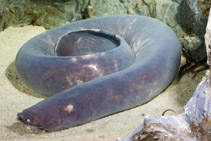 Eptatretus cirrhatus
ຮູບພາບໂດຍ Ryan, P.
ຮູບ | Google image
ຮູບພາບໂດຍ Ryan, P.
ການຈັດປະເພດ / ຊື່ ຊື່ສາມັນ | ຄຳສັບຄ້າຍຄືກັນ | Catalog of Fishes(ຕະກຸນ, ຊະນິດ) | ITIS | CoL | WoRMS | Cloffa
ກຸ່ມປາທະເລຊະນິດໜຶ່ງທີ່ມີລຳຕົວຍາວຄືອ່ຽນ ແລະບໍ່ມີກະດູກຄາງກະໄຕປາກແຕ່ຈະມີກຸ່ມແຂ້ວເປັນແຜ່ນອ້ອມຮອບປາກ (ຕົວຢ່າງປາ ແຮກຟິດ) (hagfishes) > Myxiniformes (Hagfishes) > Myxinidae (Hagfishes) > Eptatretinae
Etymology: Eptatretus: hepta (Gr.), seven; tretos (Gr.), perforated (i.e., with holes), referring to seven gill apertures on what would later be described as Homea banksii (=E. cirrhatus) [range within genus is 6-14 pairs of gill apertures] (See ETYFish); cirrhatus: Latin for having tendrils, i.e., presumed to be a species of “lamprey” with barbels (See ETYFish).
More on author: Forster.
Etymology: Eptatretus: hepta (Gr.), seven; tretos (Gr.), perforated (i.e., with holes), referring to seven gill apertures on what would later be described as Homea banksii (=E. cirrhatus) [range within genus is 6-14 pairs of gill apertures] (See ETYFish); cirrhatus: Latin for having tendrils, i.e., presumed to be a species of “lamprey” with barbels (See ETYFish).
More on author: Forster.
ສະພາບແວດລ້ອມ: ສະພາບແວດລ້ອມ / ເຂດດິນຟ້າອາກາດ / ລະດັບຄວາມເລິກ / ຂອບເຂດການແຈກຢາຍ ນິເວດວິທະຍາ
ສັດທະເລ ກ່ຽວກັບ(ຢູ່)ຊັ້ນນ້ຳໃນທະເລທີ່ເໜີອພື້ນດິນ; ບໍ່ມີການເຄື່ອນຍ້າຍ; ລະດັບຄວາມເລິກ 0 - 1100 m (Ref. 89422), usually 40 - 700 m (Ref. 31276). Deep-water
ການແຜ່ກະຈາຍ ອານາເຂດ | ເຂດ FAO | ລະບົບນິເວດ | ການປະກົດຕົວ | ຈຸດໃດໜຶ່ງທີ່ສະແດງອອກໃນແຜນທີ່ (ພ້ອມທັງສະແດງຂໍ້ມູນເພີ້ນເຕີມ) | ການແນະນຳ | Faunafri
Western Pacific: southern and eastern Australia and New Zealand.
ຂະໜາດ / ນ້ຳໜັກ / ອາຍຸ
ຄຳອະທິບາຍສັ້ນໆ ຕົວທີ່ໃຊ້ໃນການຈຳແນກຊະນິດ | ສະລີລະວິທະຍາ | ການວັດແທກຮູບຮ່າງລັກສະນະພາຍນອກຂອງດິນ,ສັດ,ປາ…
ຄີ (ໜາມ)ແຂງຢູ່ຫຼັງປາ (ທັງໝົດ) : 0; ຄີຫຼັງຂອງປາ (ຄີອ່ອນ) (ທັງໝົດ) : 0; ຄີ(ໜາມ) ແຂງຢູ່ຄີກົ້ນປາ
ກຸ່ມປາກະດູກແຂງ
ຄວາມຖີ່ຂອງກຸ່ມຖ່າຍທອດພັນ
ປາທີ່ມີການເຄື່ອນຍ້າຍຈາກທະເລໄປຫານ້ຳຈືດ ແລະນ້ຳຈືດຫາທະເລ
ປາທີ່ມີການເຄື່ອນຍ້າຍຈາກທະເລແລະໄປໄຂ່ຢູ່ນ້ຳຈືດ
ຄີກົ້ນຂອງປາ
ສັດທີ່ມີກະດູກສັນຫັຼງ
ການຖ່າຍທອດທາງກຳມະພັນຈາກພໍ່ແມ່ຫາລູກ: 0; ຄີກົ້ນຂອງປາ: 0. This species differs from all its congeners except E. caribbeaus, E. goliath, E. menezesi and E. strahani by having 7 pairs of gill pouches and three-cusp multicusps on the anterior and posterior rows of cusps. It differs from E. caribbeaus in number of anterior unicusps (8-11 vs. 11-13), posterior unicusps (7-9 vs. 10-11), total cusps (43-51 vs. 54-58) and prebranchial pores (16-20 vs. 13-15); from E. goliath in number of anterior unicusps (8-11 vs. 11-13), total cusps (43-51 vs. 54) and trunk pores (46-53 vs. 57-58); from E. menezesi in number of posterior unicusps (7-9 vs. 9-12), total cusps (43-51 vs. 52-60), tail pores (10-14 vs. 14-18); from E. strahani by its number of prebranchial pores (16-20 vs. 13-16) (Ref. 85052).
Body shape (shape guide): eel-like.
Body shape (shape guide): eel-like.
Occurs on soft bottoms of the continental slope (Ref. 7300). Able to form locally abundant populations and is often associated with inshore reefs (Ref. 85052).
ວົງຈອນຊີວິດ ແລະພຶດຕິກໍາການຫາຄູ່ ການຈະເລີນເຕັມໄວ | ການສືບພັນ | ການວາງໄຂ່ | ໄຂ່ | ຄວາມດົກຂອງໄຂ່ປາ | ຕົວອ່ອນ
Copulatory organ absent. The gonads of hagfishes are situated in the peritoneal cavity. The ovary is found in the anterior portion of the gonad, and the testis is found in the posterior part. The animal becomes female if the cranial part of the gonad develops or male if the caudal part undergoes differentiation. If none develops, then the animal becomes sterile. If both anterior and posterior parts develop, then the animal becomes a functional hermaphrodite. However, hermaphroditism being characterised as functional needs to be validated by more reproduction studies (Ref. 51361 ).
ເອກະສານອ້າງອີງຫຼັກ
ອັບໂຫລດເອກະສານອ້າງອີງຂອງທ່ານ | ເອກະສານອ້າງອີງ | ຜູ້ປະສານງານ | ຜູ້ຮ່ວມມື
Fernholm, B., 1998. Hagfish systematics. p. 33-44. In J.M. Jørgensen, J.P. Lomholt, R.E. Weber and H. Malte (eds.) The biology of hagfishes. Chapman & Hall, London. 578 p. (Ref. 31276)
ສະຖານະພາບບັນຊີແດງຂອງ IUCN (Ref. 130435: Version 2025-2)
Least Concern (LC) ; Date assessed: 09 November 2009
CITES
Not Evaluated
ໄພຂົ່ມຂູ່ຕໍ່ມະນຸດ
Harmless
ການນໍາໃຊ້ຂອງມະນຸດ
ການປະມົງ: ເປັນສີນຄ້າ
FAO - Publication: search | FishSource | ທະເລອ້ອມຂ້າງພວກເຮົາ
ຂໍ້ມູນຕື່ມອີກ
ນະໂຍບາຍດ້ານປະຊາກອນ
ຕົວວັດແທກການເຕີບໃຫຍ່
ສູງສຸດ. ອາຍຸ / ຂະຫນາດ
ຄວາມຍາວ-ນ້ໍາຫນັກ rel.
ຄວາມຍາວ - ຄວາມຍາວ rel.
ຄວາມຖີ່ຄວາມຍາວ
ການແປງມະຫາຊົນ
ການທົດແທນທີ່
ຄວາມອຸດົມສົມບູນ
ຕົວວັດແທກການເຕີບໃຫຍ່
ສູງສຸດ. ອາຍຸ / ຂະຫນາດ
ຄວາມຍາວ-ນ້ໍາຫນັກ rel.
ຄວາມຍາວ - ຄວາມຍາວ rel.
ຄວາມຖີ່ຄວາມຍາວ
ການແປງມະຫາຊົນ
ການທົດແທນທີ່
ຄວາມອຸດົມສົມບູນ
ຮ່າງກາຍ
ເນື້ອທີ່ເຫືອກ
ສະໝອງ
ໂອໂຕລິດ
ເນື້ອທີ່ເຫືອກ
ສະໝອງ
ໂອໂຕລິດ
ຟີຊິກສາດ
ອົງປະກອບຂອງຮ່າງກາຍ
ທາດອາຫານ
ການບໍລິໂພກອົກຊີເຈນ
ປະເພດລອຍ
ຄວາມໄວໃນການລອຍ
ເມັດສີທີ່ເບິ່ງເຫັນ
ສຽງປາ
ພະຍາດ & ກາຝາກ
ຄວາມເປັນພິດ (LC50s)
ອົງປະກອບຂອງຮ່າງກາຍ
ທາດອາຫານ
ການບໍລິໂພກອົກຊີເຈນ
ປະເພດລອຍ
ຄວາມໄວໃນການລອຍ
ເມັດສີທີ່ເບິ່ງເຫັນ
ສຽງປາ
ພະຍາດ & ກາຝາກ
ຄວາມເປັນພິດ (LC50s)
ກຳມະພັນ
ພັນທຸ ກຳ
ກຳມະພັນ
Heterozygosity
ການຖ່າຍທອດທາງກຳມະພັນຈາກພໍ່ແມ່ຫາລູກ
ຄວາມຫຼາກຫຼາຍທາງພັນທຸກໍາ
ພັນທຸ ກຳ
ກຳມະພັນ
Heterozygosity
ການຖ່າຍທອດທາງກຳມະພັນຈາກພໍ່ແມ່ຫາລູກ
ຄວາມຫຼາກຫຼາຍທາງພັນທຸກໍາ
ມະນຸດທີ່ກ່ຽວຂ້ອງ
ລະບົບການລ້ຽງປາ
ຂໍ້ມູນການລ້ຽງສັດນ້ຳ
ສາຍພັນ
ກໍລະນີ Ciguatera
ສະແຕມ, ຫຼຽນ, ອື່ນໆ.
ລະບົບການລ້ຽງປາ
ຂໍ້ມູນການລ້ຽງສັດນ້ຳ
ສາຍພັນ
ກໍລະນີ Ciguatera
ສະແຕມ, ຫຼຽນ, ອື່ນໆ.
ເຄື່ອງມື
E-book | ຄູ່ມືພາກສະໜາມ | ຄວາມຖີ່ຂອງຄວາມຍາວປາ | ເຄື່ອງມືຂອງຊີວະປະຫວັດທາງດ້ານຊີວິດ | ຈຸດໃດໜຶ່ງທີ່ສະແດງອອກໃນແຜນທີ່ (ພ້ອມທັງສະແດງຂໍ້ມູນເພີ້ນເຕີມ) |
ຈັບ-MSY |
ບົດລາຍງານພິເສດ
ກວດສອບການບໍາລຸງຮັກສາຕູ້ປາ | ກວດເບິ່ງເອກະສານຄວາມຈິງຂອງຊະນິດ | ກວດເບິ່ງເອກະສານຄວາມເປັນຈິງການລ້ຽງສັດນ້ຳ
ດາວໂຫລດ XML
ແຫຼ່ງອີນເຕີເນັດ
AFORO (otoliths) | Aquatic Commons | BHL | Cloffa | Websites from users | Check FishWatcher | CISTI | Catalog of Fishes: ຕະກຸນ, ຊະນິດ | DiscoverLife | ECOTOX | FAO - Publication: search | Faunafri | Fishipedia | Fishtrace | GloBI | Google Books | Google Scholar | Google | IGFA World Record | OneZoom | Open Tree of Life | Otolith Atlas of Taiwan Fishes | PubMed | Reef Life Survey | Socotra Atlas | TreeBase | ແຜນທີ່ສະແດງກິ່ງງ່າຂອງເຊື້ອຕະກຸນປາ, ສັດ ຈາກບັນພະບູລຸດຈົນເຖິງຫລານ | Wikipedia: Go, ຊອກຫາ | World Records Freshwater Fishing | ການບັນທຶກດ້ານສັດວິທະຍາ
ການຄາດຄະເນໂດຍອີງໃສ່ແບບຈໍາລອງ
ອຸນຫະພູມທີ່ຕ້ອງການ (ເອກະສານອ້າງອີງ 123201): 7.8 - 21, mean 12.3 °C (based on 188 cells).
ດັດຊະນີຄວາມຫຼາກຫຼາຍທາງຊີວະພາບ (ເອກະສານອ້າງອີງ 82804): PD50 = 0.5000 [Uniqueness, from 0.5 = low to 2.0 = high].
Bayesian length-weight: a=0.00295 (0.00163 - 0.00535), b=2.95 (2.78 - 3.12), in cm total length, based on LWR estimates for this species & (Sub)family-body (Ref. 93245).
ຊັ້ນເຂດຮ້ອນ (ເອກະສານອ້າງອີງ 69278): 2.0 ±0.00 se; based on food items.
ຄວາມຢືດຢຸ່ນ (ເອກະສານອ້າງອີງ 120179): ຕຳ່, ປະຊາກອນຕຳ່ສຸດທີ່ໃຊ້ເວລາສອງເທົ່າ 4.5 - 14 ປີ (Fec assumed to be <100).
ທາດອາຫານ (Ref. 124155): Calcium = 9.68 [2.59, 31.93] mg/100g; Iron = 0.327 [0.115, 0.895] mg/100g; Protein = 2.96 [0.00, 6.83] %; Omega3 = 0.316 [0.118, 0.883] g/100g; Selenium = 16.1 [5.3, 54.3] μg/100g; VitaminA = 9.03 [1.76, 45.12] μg/100g; Zinc = 0.249 [0.118, 0.482] mg/100g (wet weight);