-

- ກ່ຽວກັບຫນ້ານີ້
- ພາສາ
- ຄວາມຄິດເຫັນຂອງຜູ້ໃຊ້
- ການຂຽນກ່າວອ້າງ
- ອັບໂຫຼດ
-
ຊະນິດພັນທີ່ກ່ຽວຂ້ອງ
- ຊະນິດໃນ
Kneria - ຊະນິດໃນ
Kneriidae - - ການຈັດປະເພດ -
- Kneriidae
- Gonorynchiformes
- Teleostei
- Chordata
- Animalia
- ຊະນິດໃນ
-



Kneria auriculata (Pellegrin, 1905)
Airbreathing shellear
ອັບໂຫລດຂອງທ່ານ ຮູບພາບ ແລະ ວິດີໂອ
ຮູບ | Google image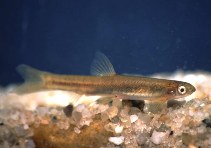 Kneria auriculata
ຮູບພາບໂດຍ Gratwicke, B.
ຮູບ | Google image
ຮູບພາບໂດຍ Gratwicke, B.
ການຈັດປະເພດ / ຊື່ ຊື່ສາມັນ | ຄຳສັບຄ້າຍຄືກັນ | Catalog of Fishes(ຕະກຸນ, ຊະນິດ) | ITIS | CoL | WoRMS | Cloffa
> Gonorynchiformes (Milkfishes) > Kneriidae (Shellears)
Etymology: Kneria: From Kner, that studied fishes in the Imperial Museum of Vienna, with Jean Natterer (1817) (Ref. 45335); auriculata: Refers to the cup-shaped process of the operculum on the male (Ref. 13721).
Eponymy: Dr Rudolf Kner (1810–1869) was an Austrian zoologist specialising in ichthyology. [...] (Ref. 128868), visit book page.
More on author: Pellegrin.
Etymology: Kneria: From Kner, that studied fishes in the Imperial Museum of Vienna, with Jean Natterer (1817) (Ref. 45335); auriculata: Refers to the cup-shaped process of the operculum on the male (Ref. 13721).
Eponymy: Dr Rudolf Kner (1810–1869) was an Austrian zoologist specialising in ichthyology. [...] (Ref. 128868), visit book page.
More on author: Pellegrin.
ສະພາບແວດລ້ອມ: ສະພາບແວດລ້ອມ / ເຂດດິນຟ້າອາກາດ / ລະດັບຄວາມເລິກ / ຂອບເຂດການແຈກຢາຍ ນິເວດວິທະຍາ
; ນ້ຳຈືດ ກ່ຽວກັບ (ຢູ່)ເທິງຊັ້ນພື້ນດິນໃນທະເລເປີດ; ກຸ່ມຫຼືຊະນິດປາທີ່ມີການເຄື່ອນຍ້າຍພາຍໃນນ້ຳຈືດ (Ref. 51243). Tropical; 9°C - 26°C (Ref. 88978); 17°S - 25°S
ການແຜ່ກະຈາຍ ອານາເຂດ | ເຂດ FAO | ລະບົບນິເວດ | ການປະກົດຕົວ | ຈຸດໃດໜຶ່ງທີ່ສະແດງອອກໃນແຜນທີ່ (ພ້ອມທັງສະແດງຂໍ້ມູນເພີ້ນເຕີມ) | ການແນະນຳ | Faunafri
Africa: most mountain and plateau tributaries of the Zambezi, Pungwe, Buzi, Sabi/Save and Runde/Lundi rivers (Ref. 83372) in Zimbabwe, Zambia and Mozambique. Also in the upper Congo River basin (Lualaba, upper Lualaba, Lake Mweru and Luapula) (Ref. 45616) in Democratic Republic of the Congo and Zambia. A relict southern pocket occurs in the Crocodile (Incomati system), Transvaal (Ref. 7248, 52193). Identity of specimens from the Kafue and upper Zambezi requires confirmation (Ref. 52193). Not recorded from coastal areas (Ref. 5214).
ຄວາມຍາວໃນການເຕີບໂຕເຕັມຄັ້ງທໍາອິດ / ຂະໜາດ / ນ້ຳໜັກ / ອາຍຸ
ການຈະເລີນເຕັມໄວ: Lm ?, range 5 - ? cm
Max length : 7.0 cm SL ຕົວຜູ້/ບໍ່ມີເພດ; (Ref. 52193); ອາຍຸສູງສຸດທີ່ເຄຍລາຍງານມາ: 2.50 ປີ (Ref. 7248)
Max length : 7.0 cm SL ຕົວຜູ້/ບໍ່ມີເພດ; (Ref. 52193); ອາຍຸສູງສຸດທີ່ເຄຍລາຍງານມາ: 2.50 ປີ (Ref. 7248)
ຄຳອະທິບາຍສັ້ນໆ ຕົວທີ່ໃຊ້ໃນການຈຳແນກຊະນິດ | ສະລີລະວິທະຍາ | ການວັດແທກຮູບຮ່າງລັກສະນະພາຍນອກຂອງດິນ,ສັດ,ປາ…
ຄີ (ໜາມ)ແຂງຢູ່ຫຼັງປາ (ທັງໝົດ) : 0; ຄີຫຼັງຂອງປາ (ຄີອ່ອນ) (ທັງໝົດ) : 9 - 10; ຄີ(ໜາມ) ແຂງຢູ່ຄີກົ້ນປາ
ກຸ່ມປາກະດູກແຂງ
ຄວາມຖີ່ຂອງກຸ່ມຖ່າຍທອດພັນ
ປາທີ່ມີການເຄື່ອນຍ້າຍຈາກທະເລໄປຫານ້ຳຈືດ ແລະນ້ຳຈືດຫາທະເລ
ປາທີ່ມີການເຄື່ອນຍ້າຍຈາກທະເລແລະໄປໄຂ່ຢູ່ນ້ຳຈືດ
ຄີກົ້ນຂອງປາ
ສັດທີ່ມີກະດູກສັນຫັຼງ
ການຖ່າຍທອດທາງກຳມະພັນຈາກພໍ່ແມ່ຫາລູກ: 0; ຄີກົ້ນຂອງປາ: 8 - 11.
Body shape (shape guide): elongated; Cross section: circular.
Body shape (shape guide): elongated; Cross section: circular.
Usually found in small headwater streams with fast water associated with rapids and a boulder stream floor, with or without aquatic vegetation (Ref. 12524). Shoals occur in pools of small, clear, silt-free, rocky streams; reported to breathe air and to climb over damp rocks and up the sides of waterfalls during migrations (Ref. 13721, 52959). Can tolerate living out of the water for a long time if conditions are damp (Ref. 246, 5214, 13721). Scrapes diatoms, algae, and detritus from rock surfaces and also takes small aquatic insects such as mayfly nymphs and midge larvae; matures after a year; breeds in spring and summer, larger females bear up to 600 eggs (Ref. 52959). Moves on to flooded grasslands during the rainy season (Ref. 12524, 13337). Males and females have been observed swimming together, apparently joined side by side by means of the males' opercular disc (Ref. 12524).
ວົງຈອນຊີວິດ ແລະພຶດຕິກໍາການຫາຄູ່ ການຈະເລີນເຕັມໄວ | ການສືບພັນ | ການວາງໄຂ່ | ໄຂ່ | ຄວາມດົກຂອງໄຂ່ປາ | ຕົວອ່ອນ
Male and female have been observed swimming side by side apparently joined by the opercular organ of the male; this is probably an adaptation to ensure the efficient external fertilization of ova in a flowing water environment (Ref. 88978). Breeding appears to be correlated with the start and ending of the rainy season; possibly exhibits multiple spawning over a prolonged breeding season (Ref. 88978).
ເອກະສານອ້າງອີງຫຼັກ
ອັບໂຫລດເອກະສານອ້າງອີງຂອງທ່ານ | ເອກະສານອ້າງອີງ | ຜູ້ປະສານງານ | ຜູ້ຮ່ວມມື
Poll, M., 1984. Kneriidae. p. 129-133. In J. Daget, J.-P. Gosse and D.F.E. Thys van den Audenaerde (eds.) Check-list of the freshwater fishes of Africa (CLOFFA). ORSTOM, Paris and MRAC, Tervuren. Vol. 1. (Ref. 3565)
ສະຖານະພາບບັນຊີແດງຂອງ IUCN (Ref. 130435: Version 2025-2)
Least Concern (LC) ; Date assessed: 01 May 2009
CITES
Not Evaluated
ໄພຂົ່ມຂູ່ຕໍ່ມະນຸດ
Harmless
ການນໍາໃຊ້ຂອງມະນຸດ
ການປະມົງ: ທີ່ອາດມີຄວາມສົນໃຈ; ຕູ້ປາ: ສາມາດເປັນໄປໄດ້
FAO - Publication: search | FishSource |
ຂໍ້ມູນຕື່ມອີກ
ນິເວດວິທະຍາ
ນິເວດວິທະຍາ
ນິເວດວິທະຍາ
ນະໂຍບາຍດ້ານປະຊາກອນ
ຕົວວັດແທກການເຕີບໃຫຍ່
ສູງສຸດ. ອາຍຸ / ຂະຫນາດ
ຄວາມຍາວ-ນ້ໍາຫນັກ rel.
ຄວາມຍາວ - ຄວາມຍາວ rel.
ຄວາມຖີ່ຄວາມຍາວ
ການແປງມະຫາຊົນ
ການທົດແທນທີ່
ຄວາມອຸດົມສົມບູນ
ຕົວວັດແທກການເຕີບໃຫຍ່
ສູງສຸດ. ອາຍຸ / ຂະຫນາດ
ຄວາມຍາວ-ນ້ໍາຫນັກ rel.
ຄວາມຍາວ - ຄວາມຍາວ rel.
ຄວາມຖີ່ຄວາມຍາວ
ການແປງມະຫາຊົນ
ການທົດແທນທີ່
ຄວາມອຸດົມສົມບູນ
ວົງຈອນຊີວິດ
ການສືບພັນ
ການຈະເລີນເຕັມໄວ
ການເຕີບໃຫຍ່ / Gills rel.
ຄວາມດົກຂອງໄຂ່ປາ
ການວາງໄຂ່
ການລວບລວມການວາງໄຂ່
ໄຂ່
ການພັດທະນາໄຂ່
ຕົວອ່ອນ
ການປ່ຽນແປງຂອງຕົວອ່ອນ
ການສືບພັນ
ການຈະເລີນເຕັມໄວ
ການເຕີບໃຫຍ່ / Gills rel.
ຄວາມດົກຂອງໄຂ່ປາ
ການວາງໄຂ່
ການລວບລວມການວາງໄຂ່
ໄຂ່
ການພັດທະນາໄຂ່
ຕົວອ່ອນ
ການປ່ຽນແປງຂອງຕົວອ່ອນ
ຮ່າງກາຍ
ເນື້ອທີ່ເຫືອກ
ສະໝອງ
ໂອໂຕລິດ
ເນື້ອທີ່ເຫືອກ
ສະໝອງ
ໂອໂຕລິດ
ຟີຊິກສາດ
ອົງປະກອບຂອງຮ່າງກາຍ
ທາດອາຫານ
ການບໍລິໂພກອົກຊີເຈນ
ປະເພດລອຍ
ຄວາມໄວໃນການລອຍ
ເມັດສີທີ່ເບິ່ງເຫັນ
ສຽງປາ
ພະຍາດ & ກາຝາກ
ຄວາມເປັນພິດ (LC50s)
ອົງປະກອບຂອງຮ່າງກາຍ
ທາດອາຫານ
ການບໍລິໂພກອົກຊີເຈນ
ປະເພດລອຍ
ຄວາມໄວໃນການລອຍ
ເມັດສີທີ່ເບິ່ງເຫັນ
ສຽງປາ
ພະຍາດ & ກາຝາກ
ຄວາມເປັນພິດ (LC50s)
ກຳມະພັນ
ພັນທຸ ກຳ
ກຳມະພັນ
Heterozygosity
ການຖ່າຍທອດທາງກຳມະພັນຈາກພໍ່ແມ່ຫາລູກ
ຄວາມຫຼາກຫຼາຍທາງພັນທຸກໍາ
ພັນທຸ ກຳ
ກຳມະພັນ
Heterozygosity
ການຖ່າຍທອດທາງກຳມະພັນຈາກພໍ່ແມ່ຫາລູກ
ຄວາມຫຼາກຫຼາຍທາງພັນທຸກໍາ
ມະນຸດທີ່ກ່ຽວຂ້ອງ
ລະບົບການລ້ຽງປາ
ຂໍ້ມູນການລ້ຽງສັດນ້ຳ
ສາຍພັນ
ກໍລະນີ Ciguatera
ສະແຕມ, ຫຼຽນ, ອື່ນໆ.
ລະບົບການລ້ຽງປາ
ຂໍ້ມູນການລ້ຽງສັດນ້ຳ
ສາຍພັນ
ກໍລະນີ Ciguatera
ສະແຕມ, ຫຼຽນ, ອື່ນໆ.
ເຄື່ອງມື
E-book | ຄູ່ມືພາກສະໜາມ | ຄວາມຖີ່ຂອງຄວາມຍາວປາ | ເຄື່ອງມືຂອງຊີວະປະຫວັດທາງດ້ານຊີວິດ | ຈຸດໃດໜຶ່ງທີ່ສະແດງອອກໃນແຜນທີ່ (ພ້ອມທັງສະແດງຂໍ້ມູນເພີ້ນເຕີມ) |
ຈັບ-MSY |
ບົດລາຍງານພິເສດ
ກວດສອບການບໍາລຸງຮັກສາຕູ້ປາ | ກວດເບິ່ງເອກະສານຄວາມຈິງຂອງຊະນິດ | ກວດເບິ່ງເອກະສານຄວາມເປັນຈິງການລ້ຽງສັດນ້ຳ
ດາວໂຫລດ XML
ແຫຼ່ງອີນເຕີເນັດ
AFORO (otoliths) | Aquatic Commons | BHL | Cloffa | Websites from users | Check FishWatcher | CISTI | Catalog of Fishes: ຕະກຸນ, ຊະນິດ | DiscoverLife | ECOTOX | FAO - Publication: search | Faunafri | Fishipedia | Fishtrace | GloBI | Google Books | Google Scholar | Google | IGFA World Record | OneZoom | Open Tree of Life | Otolith Atlas of Taiwan Fishes | PubMed | Reef Life Survey | Socotra Atlas | TreeBase | ແຜນທີ່ສະແດງກິ່ງງ່າຂອງເຊື້ອຕະກຸນປາ, ສັດ ຈາກບັນພະບູລຸດຈົນເຖິງຫລານ | Wikipedia: Go, ຊອກຫາ | World Records Freshwater Fishing | ການບັນທຶກດ້ານສັດວິທະຍາ
ການຄາດຄະເນໂດຍອີງໃສ່ແບບຈໍາລອງ
ດັດຊະນີຄວາມຫຼາກຫຼາຍທາງຊີວະພາບ (ເອກະສານອ້າງອີງ 82804): PD50 = 0.5000 [Uniqueness, from 0.5 = low to 2.0 = high].
Bayesian length-weight: a=0.00389 (0.00180 - 0.00842), b=3.12 (2.94 - 3.30), in cm total length, based on all LWR estimates for this body shape (Ref. 93245).
ຄວາມຢືດຢຸ່ນ (ເອກະສານອ້າງອີງ 120179): ສູງ, ປະຊາກອນຕຳ່ສຸດທີ່ໃຊ້ເວລາສອງໜ້ອຍກວ່າ 15 ເດືອນ (Lm=4.6-4.7).