
|
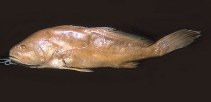
Plagioscion auratus (Castelnau, 1855) Black curbinata |
|
|
photo by
Casatti, L. |
| Family: | Sciaenidae (Drums or croakers) | |||
| Max. size: | 34.6 cm SL (male/unsexed) | |||
| Environment: | benthopelagic; freshwater | |||
| Distribution: | South America: Amazon, Orinoco, and rivers of Guianas. | |||
| Diagnosis: | ||||
| Biology: | Occurs mainly in estuaries although it is rather rare (Ref. 35237). Occupies the same biotope as Plagioscion squamosissimus but its frequency of capture is notably less (Ref. 27188). Juveniles feed on insect larvae and crustaceans like copepods and decapods while adults feed essentially on fish. Easily caught during breeding season (Ref. 35237). An important foodfish. | |||
| IUCN Red List Status: | Least Concern (LC); Date assessed: 30 July 2019 Ref. (130435) | |||
| Threat to humans: | harmless | |||